

Every day in Ontario, long-term care (LTC) residents are at risk of receiving unwanted and non-beneficial treatment because of errors related to consent. The PoET (Prevention of Error-based Transfers) Project aims to reduce these consent-related errors that contribute to transfers from long-term care to hospital by identifying opportunities to align care with the Health Care Consent Act so that residents receive treatment that is in line with their wishes, values and beliefs.
The project was developed as an Ethics Quality Improvement project at William Osler Health System (WOHS) in 2013. While working with local long-term care homes to change decision making, they found that the number of residents who were transferred back and forth to hospital in the two months before dying there was reduced by 59 per cent.
DFM is leading the evaluation, which will measure the impact of PoET’s ability to reduce error-based transfers to hospital. The evaluation will also highlight key facilitators and barriers to implementing large scale innovations in long-term care; and investigate and report on the potential cost-savings to the health care system overall.
For the final phase of the PoET Southwest Spread project, we will access health administrative data to compare resident transfers to acute care, repeat transfers at the end-of-life, and receipt of palliative care between PSSP homes and matched control homes. We will also measure the cost-savings associated with transfers, repeat transfers at the end-of-life, and healthcare use of residents who live in PSSP homes compared with matched control homes. We will also identify which health sector experienced the highest cost-savings comparatively.
Program Lead
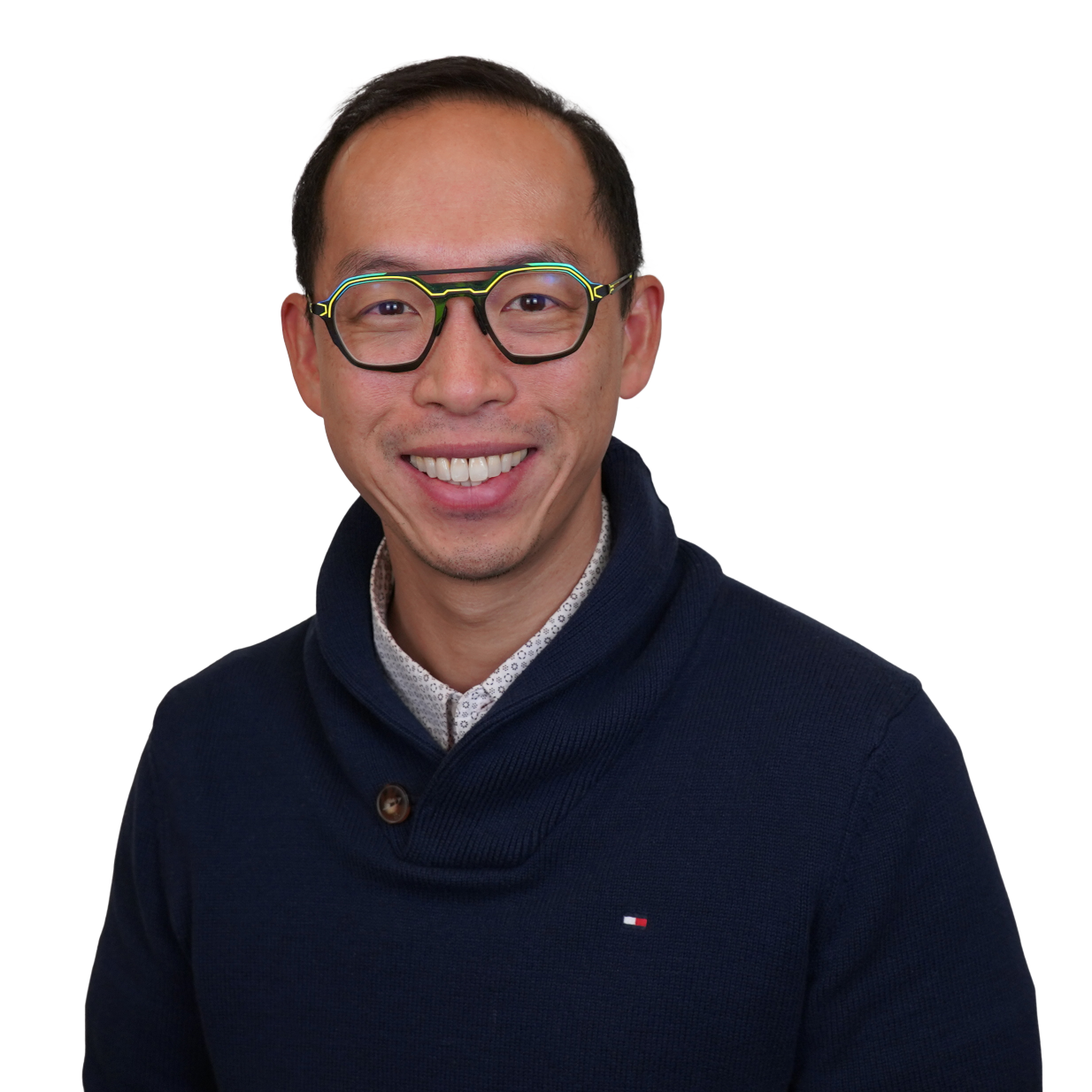
Henry Siu
MSc, MD, CCFP (COE), FCFP
Associate Professor
Medical Director, Stonechurch Family Health Centre
Program Team

Knowledge Translation Products
This project has been made possible through a financial contribution from Health Canada. The views expressed herein do not necessarily represent the views of Health Canada.