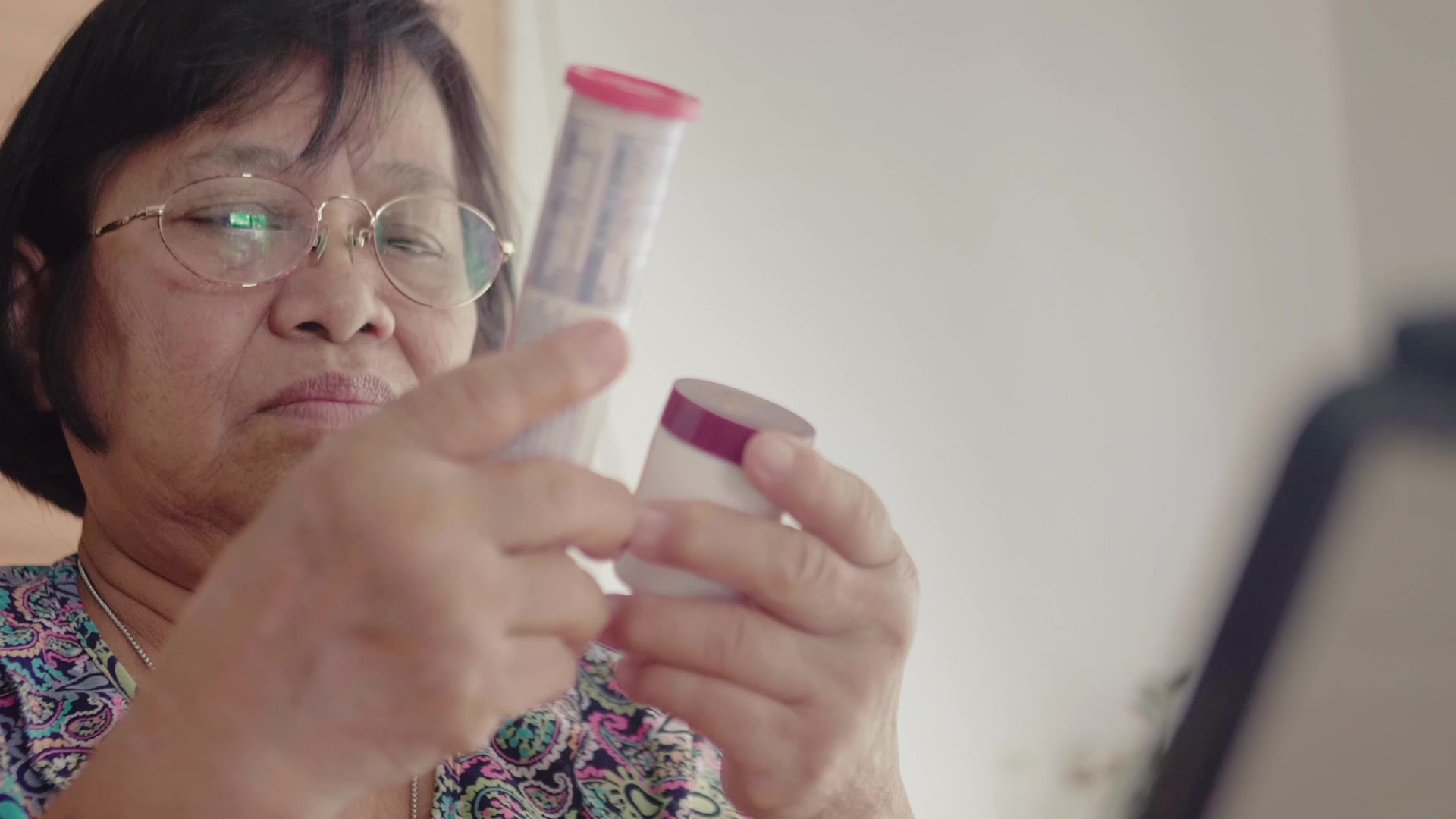

Through the Team Approach to Polypharmacy Evaluation and Reduction (TAPER) program, we are assessing a structured and collaborative way to reduce the number of unnecessary medications a patient takes.
Primary care is an under-studied area of health and medicine, yet has the strongest evidence for links with improved population health outcomes. When the burden of treatment outweighs a patient’s capacity to benefit, the negative effects from taking too many drugs can impact the patient’s quality of life and waste healthcare dollars. At the same time, patient preferences and priorities for medications are often not communicated and considered in decisions. Through the Team Approach to Polypharmacy Evaluation and Reduction (TAPER) program, we are assessing a structured and collaborative way to reduce the number of unnecessary medications a patient takes.
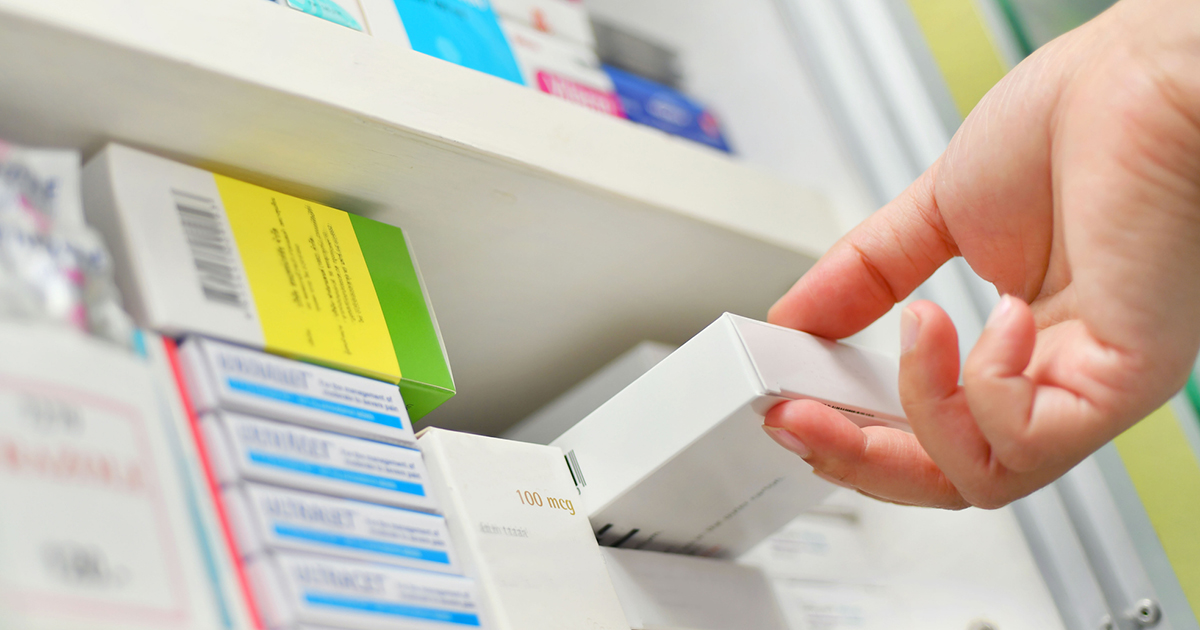
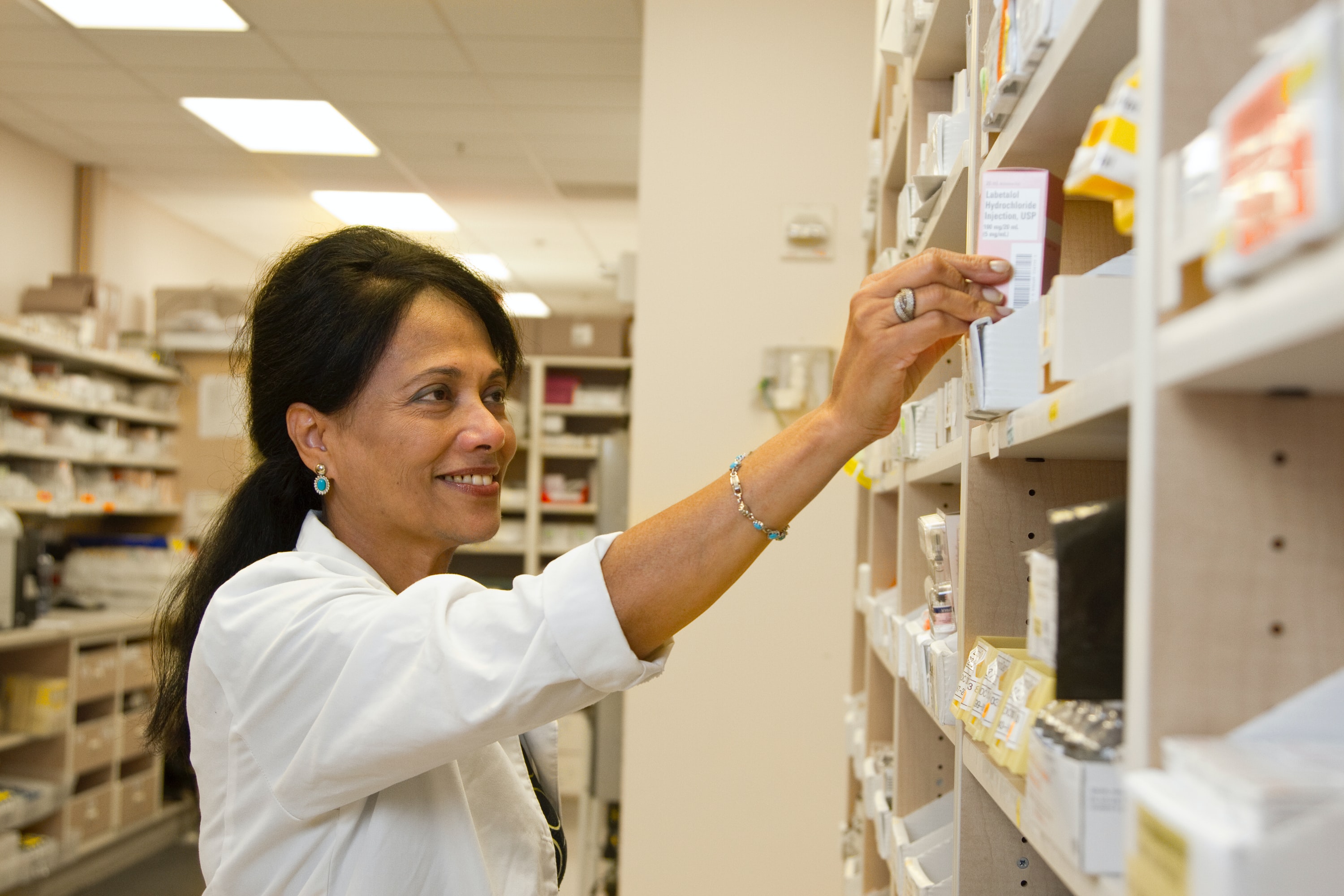
The collaborative approach involves the patient, their family doctor, a pharmacist and an online tool (TaperMD), to record information and identify possible inappropriate drugs to “pause and monitor.” TaperMD is the electronic clinical pathway for this process – it is used to record patient priorities and other information and automatically screen the medication list to flag potentially problematic medications. It provides guidance on tapering and monitoring during the “pause and monitor” phase to help the pharmacist and family doctor identify possible inappropriate drugs to ‘pause and monitor’ and records information at each step.
TAPER involves three steps:
In Canada the impact of TAPER is being assessed by having one group of patients receive the program, and a second group receive usual care – this is decided randomly. A total of 360 people from three Canadian provinces who are 70 years of age or older and on 5 or more long-term medications are involved. Health outcomes such as quality of life, mobility, disease and treatment burden, nutrition, pain and sleep are assessed at the start and 6 months later to determine if (and how) outcomes have changed. We are also tracking the number and dose of medications. Interviews are being used to help us understand what the intervention is like for all participants.
TAPER is also being adapted and tested in long-term care centres, community pharmacies, and hospitals in Canada and Australia.
Learn more about TAPER.
MBChB, FRNZCGP, DPH
Professor (Part-Time)
Derelie (Dee) Mangin is a professor in the Department of Family Medicine, where she has held the distinguished David Braley Nancy Gordon Chair since 2013. Her academic interests include the role and value of generalist primary care; innovative models of primary care delivery; rational prescribing; effective incorporation of evidence into patient centered practice; and the influences of science, policy and commerce on the nature of care. An area of current focus is multimorbidity and polypharmacy among older adults as a lens for promoting care that maps onto patient priorities and where the burden or care does not exceed the patient’s capacity to benefit. She has wide clinical research experience in primary care, including observational and interventional quantitative research methods and community randomized control trials (RCTs) of innovative models of care. She is currently director of the McMaster University Sentinel and Information Collaboration (MUSIC) practice based research network. Dee has experience leading RCTs of clinical interventions in areas such as antidepressant use, community acquired pneumonia, antibiotics in urinary tract infections, and deprescription trials. She has received award for leadership in Family Medicine and in Family Medicine research that include the Royal New Zealand College of General Practitioners Distinguished Service Award and the Canadian College of Family Physicians Donald I Rice Award.
Special Interests: The role and value of generalist primary care in the health system; innovative models of primary care delivery; rational prescribing; effective incorporation of evidence into patient centered practice; and the influences of science, policy and commerce on the nature of care.
BSc MSc
Research Coordinator
Rebecca has worked at DFM since Summer 2019. As a Research Coordinator, she works with multiple projects and initiatives within the department including MUSIC, and the David Braley Primary Care Research Collaborative. She also advocates for good data management practices for research.
Rebecca has a Master’s of Science from the University of Waterloo. Her research interests are in primary care, in particular the improvement of health care delivery and collaborative team-based care. Outside of work, Rebecca enjoys spending time with her family and staying active.
Clinical Research Coordinator
Karla Freeman has been with the Department of Family Medicine since 2014, and is now working as a Clinical Research Coordinator with the TAPER-P project. Her interests include research in primary care, community pharmacy practice, and care of the elderly.
MSc, PhD
Research Associate
Dr. Jennifer Salerno’s research interests include chronic disease epidemiology and the application of epidemiology methods to trial research, population and public health, and health services research. She holds a PhD in Epidemiology from the University of Toronto, MSc in Community Health and Epidemiology from Queen’s University, and Honours BSc from McMaster University’s Biology and Pharmacology Co-operative Program. She completed fellowship training at both the Toronto Rehabilitation Institute in the area of traumatic brain injury epidemiology and the U.S. National Institutes of Health (National Cancer Institute’s Hormonal and Reproductive Epidemiology Branch) in the area of breast cancer epidemiology. Her previous research interests included studying the epidemiology of brain injuries and related vascular dementias, and specifically, examining the etiology of cognitive function in aging populations using molecular/biochemical methods and advanced statistical models. She previously worked for several years as a clinical epidemiologist in the Government of Ontario (MOHLTC and Health Quality Ontario) where she performed several health technology assessments, systematic reviews and meta-analyses. She also developed cancer clinical practice guidelines supporting Cancer Care Ontario’s Cancer Imaging Program through McMaster’s Program in Evidence-Based Care, Department of Oncology.
Currently, at McMaster University, she is a Research Associate for the Department of Family Medicine. She is involved in the TAPER research study (TAPER: Team Approach to Polypharmacy Evaluation and Reduction) which aims to reduce multiple medication use and the harmful effects of polypharmacy among older adults. She is also involved with the Primary Care Research Collaborative (PCRC) in the Department of Family Medicine by providing clinical faculty teaching and mentoring initiatives and opportunities and developing the patient/public/community advisory group for the PCRC. She currently teaches in the health research methodology program in the Department of Health Research Methods, Evidence, and Impact at McMaster and is currently the Vice Chair of the American College of Epidemiology (ACE) Ethics Committee. She has held numerous leadership positions in ACE and more recently, she is involved with the International Epidemiological Association as the North American Regional Councillor.
Research Project Update, TAPER
Research, TAPER
Infographic
2019-04-01
2023-06-05
Research Brief
2023-06-22